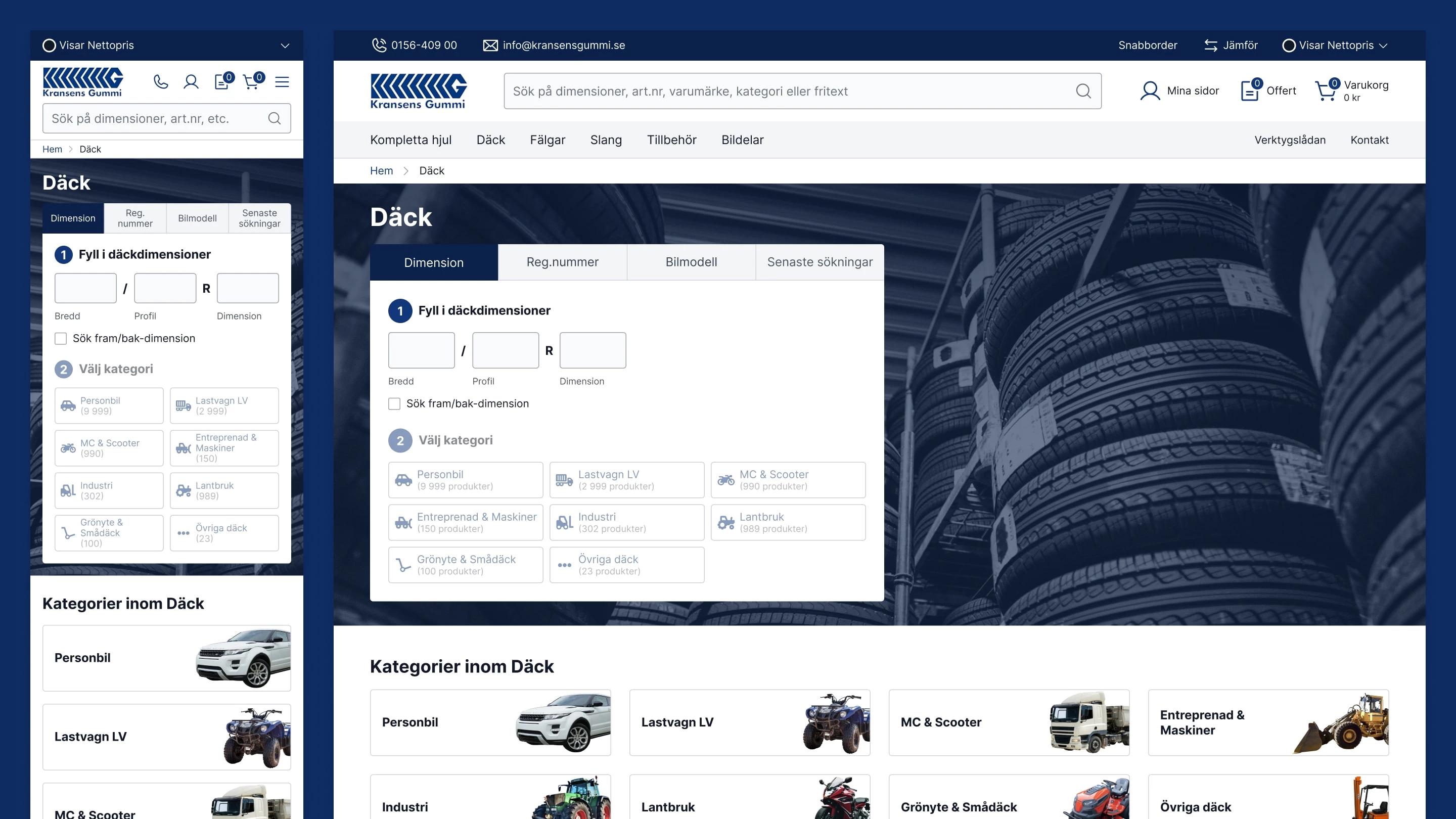
B2B marketing for wholesalers & manufacturers
For a wholesaler or manufacturer, most sales come from customers you already have. The contracts are in place, your sales team handles new business, and it works. That's why digital marketing has often ended up at the bottom of the list. We're seeing a shift. More and more B2B companies are discovering that buyers now do their own research, long before anyone picks up the phone. The question is whether you're there when it happens.
Why B2B is harder online
Sure, you can use the same ad setup for a tyre wholesaler as for a fashion store, but the results are rarely what you'd hope for. The differences are simply too big, and they have more to do with the business model than with which channels you use. In B2C, the decision is often made in a matter of minutes. In B2B, a buyer, a technical manager and a finance director might all need to agree. They're rarely swayed by the same message, and it's unusual for any of them to commit the first time they see you. That's why marketing often needs time to do its work before it leads to a conversion.
The tracking challenge
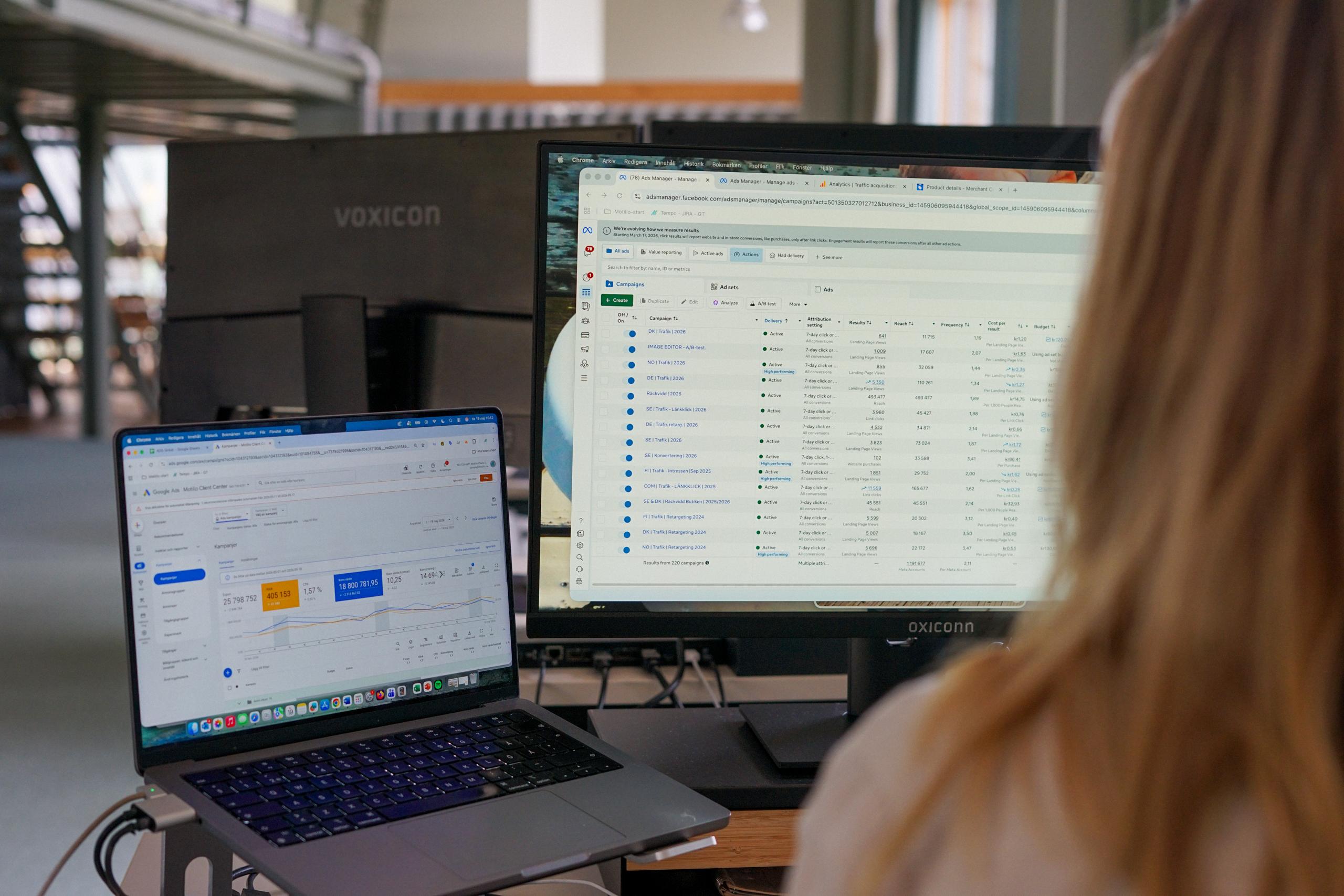
For a consumer e-commerce business, measurement is usually fairly simple. Someone places an order, the checkout confirms it and the number ends up in the report. In B2B, things tend to look a little different. A conversion might be an account application that gets approved manually, a quote that turns into an order three weeks later in a different system, or a phone call that's never logged anywhere. As a result, ad platforms tend to optimise for what they can see, such as submitted forms, rather than for the deals that actually close. And those aren't always the same thing. Fortunately, there are proven ways around this. Which ones suit you depends on how your systems connect and what your sales process looks like. These are some of the questions we often start with:
• Can closed deals from your CRM or ERP be fed back, so the platforms know which leads became customers?
• How much data is lost to browsers and consent banners, and what's worth doing about it?
• Can applications from new customers be told apart from those from existing customers in the tracking?
• What should optimisation aim for: the number of leads, or how good they are? It's hard to say where best to start until we've looked at your current setup. But the order is usually pretty clear: measurement first, then budget.
Same platforms, different approach
Search engine marketing
Millions of searches are made every day. Some of them are yours. In B2B, the value rarely lies in volume but in who is searching — and in being there when a buyer is comparing suppliers or looking for an item they can't find with their current one.
The platform where you can target by job title, industry and company size rather than interests. Useful both for reaching selected accounts and for staying visible during the months a buying decision takes. A somewhat more expensive platform, and one that needs a reasonably large audience to work.
Other social media platforms
Works better in B2B than many people think, especially for retargeting those who have already visited and had a look. We're platform-independent, and our fees aren't tied to your ad budget — so we have nothing to gain from recommending a platform just because it costs more.
SEO and AI optimisation
B2B buyers do their own research, and these days they're just as likely to do it in an AI chat as in a search bar. Around one in five Swedes already asks AI instead of googling. Both paths rely on the same thing: that your product data and technical structure are in good enough shape to be read and represented correctly.
Conversion optimisation
In B2B, the biggest gains are rarely found on the homepage. They're in the quote flow, the account application and the logged-in area — where your existing customers place their repeat orders. We remove obstacles and identify changes that make it easier to convert.

Tyre wholesaler Kransens Gummi
From sales-led to digitally driven